
Categories
Community & Lifestyle – Local businesses, events, and stories, Team & Leadership – Recruiting, culture, and growth at The TracyPublished October 21, 2026
Are You Building a Business or Just Throwing a Party?

I've been making some observations lately about businesses that have investors, particularly those with affiliated business arrangements, and there's a pattern I've noticed that I think deserves some attention. I've personally witnessed businesses struggle to get their investors to actually behave like investors. They want them to participate, promote the business, help grow it, and contribute to its long-term success. But what I find interesting is how these same businesses are treating the very people they're expecting all of this from.
Take quarterly dividend distributions, for example. Instead of gathering everyone together to discuss the business, review financial performance, talk about profitability, and establish expectations for the next quarter, they're throwing a party. Maybe it's a sporting event, a night out at a local restaurant, or some elaborate celebration with fireworks. Everyone's having a wonderful time, there are drinks, smiles, entertainment, and checks being handed out. Woohoo! Another successful quarter! But is anyone actually talking about what made that quarter successful? Does anyone understand where those checks came from, what it costs to operate the business, or what needs to happen to make sure those checks continue coming?
And then we wonder why these investors aren't acting like investors.
I have to believe that part of the problem is that we're not treating them like investors. We're treating them like guests at a party.
Now, don't misunderstand me. I love a good celebration, and I absolutely believe in recognizing people and celebrating success. But there's a difference between celebrating the results of a successful business and creating an environment where the celebration becomes the entire relationship. If we want people to take ownership, participate in growth, and understand the responsibility that comes with having skin in the game, we need to start treating them like business partners.
Think about the process of bringing someone into a business, whether they're purchasing shares, becoming a partner, or joining a real estate team. There's often this elaborate courting process. We're selling the opportunity, talking about the benefits, entertaining them, making them feel special, and convincing them that being part of our organization is going to be wonderful. And there's nothing inherently wrong with that. We should be excited about what we're building and want others to be excited about it, too.
But somewhere along the way, that relationship needs to evolve.
The shares have already been sold. The commitment has already been made. At what point do we stop selling the opportunity and start building the business together?
I think that's where a lot of organizations are missing the mark. They never transition from courting people to actually developing them as partners. There's no meaningful onboarding around expectations, no regular conversations about financial performance, no understanding of what each person can contribute, and very little accountability when those contributions aren't happening. Instead, we just keep entertaining people, hoping that somehow all of this goodwill will translate into business growth.
And when it doesn't, we get frustrated with the very people we've conditioned to expect something entirely different.
Being in business with someone reminds me a lot of marriage. The dating phase is wonderful. Everyone is on their best behavior, we're doing all the fun things, and we're excited about the future. But eventually, you have to build a life together. There are responsibilities, difficult conversations, financial decisions, and times when everyone needs to dig in and do the work. You can't build a successful marriage by continuing to date forever and avoiding everything that comes with being committed to one another. Business relationships aren't all that different.
I see this same challenge with real estate teams. Team owners work incredibly hard to recruit agents, showing them everything the team has to offer, explaining the opportunities, the support, the leads, the systems, and the culture. But what happens after they join? Are we clearly communicating what success looks like? Are we establishing expectations for production, participation, and accountability? Are we teaching them how the business operates and what their role is in making it successful? Or are we so focused on keeping everyone happy that we're afraid to have the conversations necessary to move the business forward?
As a team owner, I believe it's my responsibility to make sure the people who have committed to our organization understand what we're building and how they contribute to it. That doesn't mean everyone has the same responsibilities, and certainly an investor's obligations may look different from those of an employee or an agent. But whatever those expectations are, they need to be clearly defined, communicated, and revisited. We cannot expect people to meet standards we've never established or contribute to goals they don't understand.
And I think we need to be willing to have more conversations about the actual business. What does it cost to operate? Where does our revenue come from? What are our break even numbers? What drives profitability? What happens when expenses increase or production decreases? What opportunities do we have to grow, and what is each person's responsibility in helping us get there? These aren't necessarily the most exciting conversations, but they're the conversations that create informed, engaged people who understand that the success of the business is not guaranteed simply because they bought into it.
There's also something to be said about protecting the value of what we've already built. When someone purchases an ownership interest in a business, shouldn't they be interested in what that investment will look like five or ten years from now? Shouldn't there be conversations about protecting profitability, strengthening operations, and creating something sustainable? A quarterly dividend is wonderful, but I would be far more interested in understanding how we're going to continue producing those dividends than in attending another party to celebrate receiving one.
I think too many leaders confuse keeping people happy with keeping people engaged. Those are two very different things. Someone can love the parties, enjoy the relationships, appreciate the perks, and still contribute absolutely nothing to the growth of the organization. And if we haven't clearly communicated what participation looks like, how can we be surprised by that outcome?
Maybe the bigger leadership lesson here is that we need to stop managing relationships as though we're still trying to make the sale. Once someone commits to us, our responsibility changes. We need to provide direction, establish expectations, communicate openly, create opportunities for meaningful participation, and hold people accountable for the commitments they've actually made. We need to give them a reason to care about the health of the business, not just the benefits of belonging to it.
I'm not suggesting we eliminate the celebrations. Quite the opposite. I think we should celebrate the heck out of our successes. But let's make sure we're doing the work that gives us something worth celebrating in the first place.
So here's what I'm curious about. If you own a business, lead a team, or have partners and investors involved in your organization, how much time are you spending helping those people understand the business they're part of? Do they know what success looks like, what's expected of them, and how they can contribute to building something bigger? Are you having meaningful conversations about growth, profitability, and accountability, or are you spending most of your energy keeping everyone entertained?
Because at some point, we have to ask ourselves whether we're actually building a business together or just continuing to court the people who have already said yes.
And personally, I'd rather build something that lasts than throw another party.
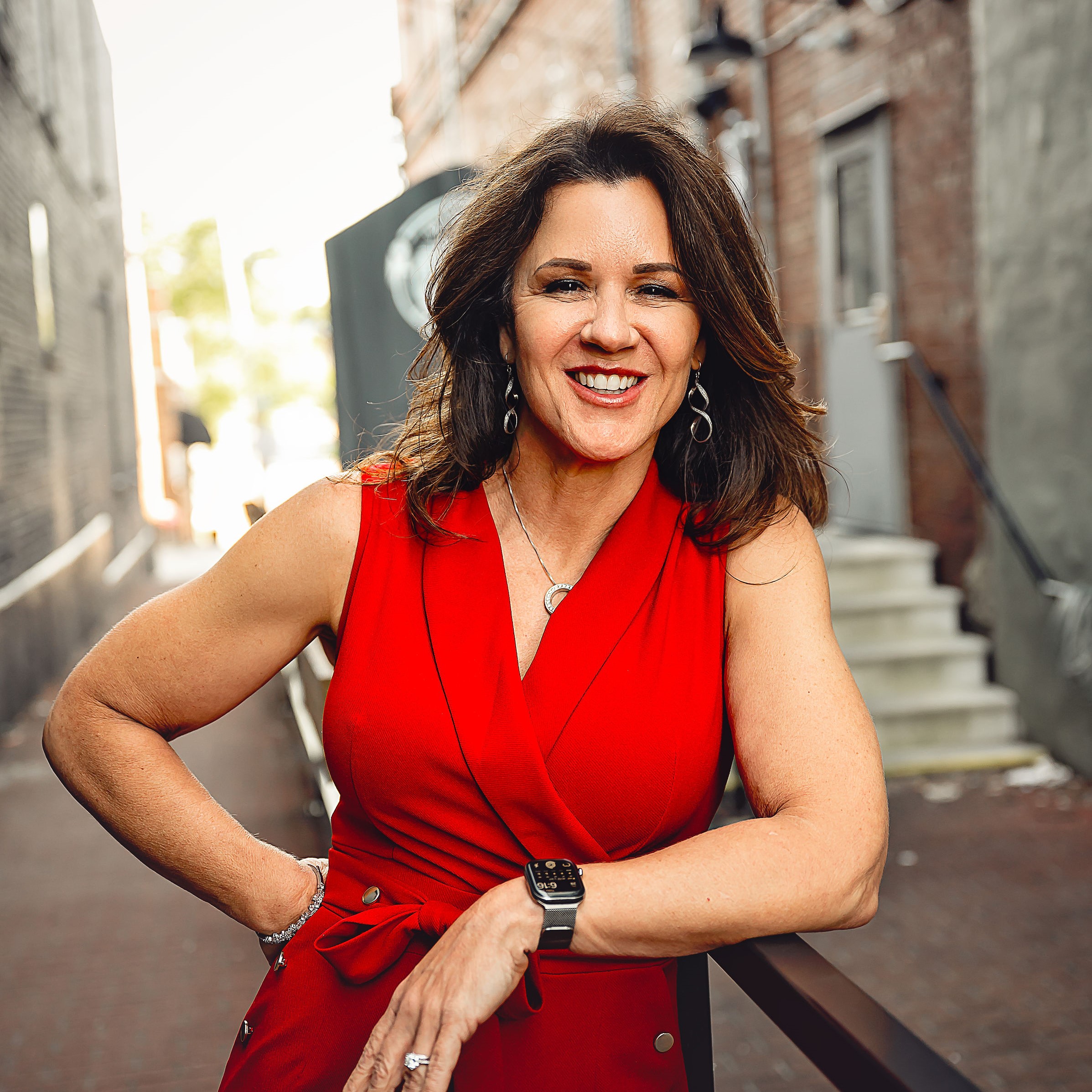
Tracy Jones
CEO, Team Owner, & Associate Broker | The Tracy Jones Team | Keller Williams Elevate
or another way